

Yields drop, liquidity returns, but deeper questions remain. Here’s what no one’s telling you.
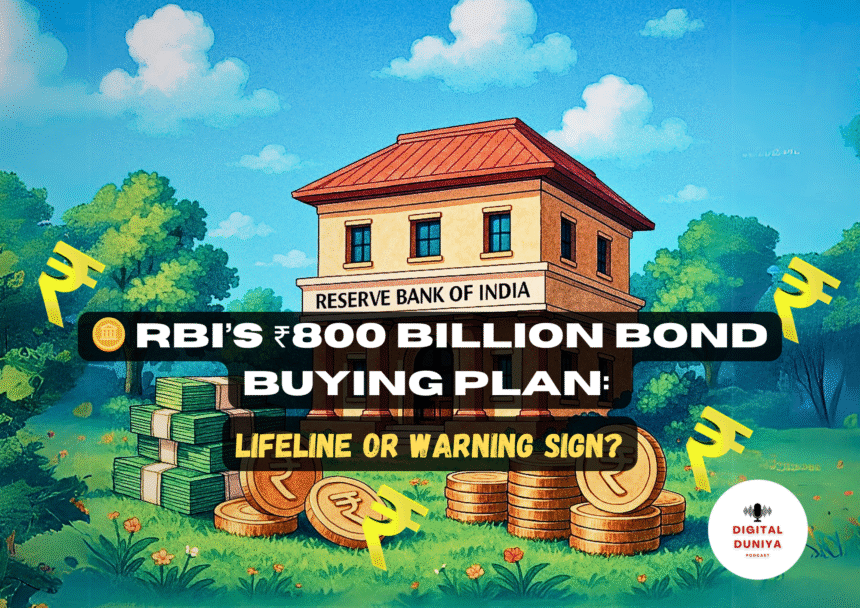
On April 2, 2025, the Reserve Bank of India (RBI) made a bold move.It announced a ₹800 billion government bond purchase program — not with fanfare, but with quiet urgency.
It was more than a technical operation. It was a signal.A signal that India’s central bank is ready to inject liquidity, steady the markets, and spark momentum. But is it a solution — or just a short-term fix?
Let’s break it down.
What Did RBI Actually Do?
The RBI announced it would buy ₹800 billion (₹80,000 crore) worth of government bonds through Open Market Operations (OMO) — split into four tranches across April:
-
April 3
-
April 8
-
April 22
-
April 29
This move is designed to inject cash into the banking system, lower long-term interest rates, and stimulate lending and investment in the broader economy.
And it worked — at least initially.India’s 10-year government bond yield fell to 6.48%, its lowest in three years.
Why Did Banks Rush In?
Before RBI could even begin buying, state-owned banks began scooping up bonds.
Why? Because they anticipated RBI’s move would drive prices up.More demand → Higher bond prices → Lower yields.
By pre-positioning, these banks:
-
Strengthened their investment portfolios
-
Complied with regulatory requirements
-
Positioned themselves to benefit from rising bond values
Think of it like a shopkeeper loading inventory before a sale rush — they saw what was coming and acted early.
Why Is RBI Doing This Now?
After four months of liquidity deficit, the banking system flipped into surplus mode.The RBI’s plan ensures that:
-
This liquidity is utilized effectively
-
Borrowing remains affordable
-
And market participants stay confident
It’s a tactical move to support economic stability amid global uncertainty and rising volatility in emerging markets.
What Are the Potential Rewards?
If successful, this move could have wide-reaching benefits:
✅ Lower Borrowing CostsCheaper loans for businesses, infrastructure, and individuals.
✅ Improved LiquidityEasier access to credit and stronger financial flows.
✅ Boosted Bank Balance SheetsBanks holding more valuable bonds improve their capital position.
✅ Market ReassuranceIt shows RBI is alert and willing to act — something investors always watch for.
What Are the Risks?
But not everyone is optimistic. Several experts have flagged potential concerns:
⚠️ Inflation RiskMore money in the system can push prices up if supply doesn’t keep pace with demand.
⚠️ Weaker RupeeA flood of liquidity might reduce rupee strength, especially if foreign investors grow wary.
⚠️ Short-Term PatchLiquidity support doesn’t solve deeper issues like inefficient spending or regulatory bottlenecks.
⚠️ Emerging Market ContagionHistory reminds us: if one EM falters, others often follow — sentiment is fragile.
So, What Needs to Happen Next?
Injecting ₹800 billion is powerful — but only if it’s followed by structural decisions and long-term discipline. Here’s what needs to come next:
Smarter Government SpendingShift focus from volume to value. Cut inefficiencies and target high-impact areas.
Watch Inflation Like a HawkRBI must be prepared to withdraw liquidity quickly if inflation rises.
️ Drive Productive GrowthLiquidity should fuel real sectors — manufacturing, exports, infrastructure — not just financial markets.
Strengthen Global TrustClear policies and strong institutions build confidence far better than short-term support.
Why This Matters to You
Whether you’re a salaried professional, startup founder, investor, or student — this impacts your financial reality:
-
Lower interest rates can mean cheaper EMIs.
-
Rupee movement can affect the cost of fuel, electronics, and foreign travel.
-
Inflation risk can impact your monthly expenses.
-
Better liquidity might open funding opportunities or revive hiring.
This isn’t just macro policy — it’s everyday economics.
Final Word
The RBI’s ₹800 billion move did what it was meant to:It reignited the conversation, lowered bond yields, and signaled strength.
But liquidity is a tool — not a strategy.The real question now is: Will this momentum lead to lasting reforms, or will we just delay deeper fixes once again?
The party’s begun. The room is buzzing.Now comes the hard part — building something that lasts once the music fades.
✉️ Enjoyed this explainer?Subscribe for more insights like this, every week — no jargon, just signal!